
Physiotherapy in Milsons Point
We look at how you move, listen to your history, and feel your body to assess the cause of your pain. See us for relief of pain, complete recovery and restoration of movement.
When pain returns, or never fully settles, the real issue is often away from the sore area.
At Physio Body and Sole, physiotherapy is more than just temporary symptom relief.
We look at how other areas of your body is contributing to your pain, where patterns of movement compensation or tension have developed, what is stopping the pain from being relieved, or makes the stiffness return.
Treatment is tailored to help you understand your body to change these movement habits, to move more freely in life, build resilience, and create lasting change.

A whole-body approach to physiotherapy
Our physiotherapy service combines evidence-based assessment and treatment with a broader understanding of how posture, breathing, movement habits, nerve sensitivity, muscular tension, stress, and lifestyle can all affect pain and recovery. This whole-body approach reflects how the clinic describes its care across the current site.
Rather than chasing symptoms alone, we look at the patterns underneath them. That might mean treating the painful area, but it can also mean addressing the way your body has adapted around it.
For many people, that is the difference between temporary relief and meaningful change.
Physiotherapy that looks beyond the obvious
Pain is not always straightforward. A sore shoulder may be linked to the way your ribcage moves. Knee pain may be affected by the foot, hip, or pelvis. Persistent tightness may be less about weakness and more about tension, protective movement, or a nervous system that has been on high alert for too long. The current site already speaks to this style of assessment, including movement patterns, nerve health, muscular balance, posture, breathing, and stress.
That is why our sessions are designed to understand the full picture, not just the loudest symptom.
Your treatment may include; hands-on physiotherapy, movement assessment and retraining, tailored exercises, joint and soft tissue techniques, nerve mobilisation, breathing and relaxation strategies and/or yoga-informed rehabilitation where helpful
Not every person needs every tool. The plan is shaped around you.


What physiotherapy can help with
At Physio Therapy Yoga, we blend physiotherapy with yoga therapy to create a unique, holistic approach to your care. By combining evidence-based physiotherapy with time-proven integrative practices, we can tailor treatments to your specific needs holistically and help you achieve lasting relief and a greater feeling of well-being.

Nerve Pain
Nerve pain can show up as burning, tingling, numbness, sensitivity, or pain that travels into the arms, legs, ribs, or jaw. We assess where the irritation may be coming from and use a combination of hands-on treatment, movement retraining, nerve mobilisation, and tailored exercises to help calm symptoms and improve function.

Spinal and Back Pain
Back pain is not always just a back problem. It can be influenced by posture, breathing, movement habits, stress, previous injuries, and the way your body is loading through the spine. We assess the full picture to help reduce pain, improve mobility, and support better movement patterns.

Pelvic Pain
Pelvic pain can feel complex and frustrating, especially when it affects sitting, walking, exercise, or everyday comfort. Treatment focuses on understanding muscular tension, joint alignment, movement control, breathing, and nervous system involvement so your body can begin to feel safer and more supported.

Osteoarthritis
Osteoarthritis does not mean you have to stop moving. The right physiotherapy approach can help reduce stiffness, improve strength and joint support, build confidence in movement, and make daily activities feel more manageable. We create realistic, tailored plans that work with your body and your stage of life.

Neck and Jaw Pain
Neck and jaw pain are often linked to posture, muscular tension, stress, breathing patterns, and the way the upper body is working as a whole. We assess the cervical spine, jaw, surrounding muscles, and movement habits to help ease tension, reduce pain, and improve comfort.

Hip, Knee, Ankle and Foot Pain
Pain through the lower body is often connected. A foot issue can affect the knee. A hip imbalance can change the way you walk. We assess how the whole chain is functioning and use targeted treatment, rehab exercises, and gait or movement retraining to improve support, stability, and ease of movement.
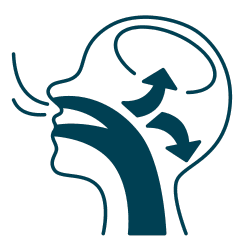
Breathing and Posture
Breathing and posture have a strong influence on tension, movement quality, stability, and pain patterns. When breathing is restricted or posture is under constant strain, the body often starts compensating elsewhere. We help you build greater awareness and more efficient patterns that support both recovery and day-to-day wellbeing.
Stress and Tension
Stress can show up physically as tight shoulders, jaw clenching, shallow breathing, headaches, persistent tension, and a body that never seems to fully relax. Physiotherapy can help by combining hands-on treatment, movement, breath awareness, and nervous system support to help your body settle and recover.

Sports-Specific Injuries
Whether you are returning to training, managing a niggle, or recovering from a more significant injury, physiotherapy can help you rebuild strength, control, movement efficiency, and confidence. We tailor treatment and rehab to your sport, your goals, and the demands your body is under.
We’re Here to help you find lasting relief
What happens in a physiotherapy session
Your first session starts with a thorough assessment. We look at more than where it hurts today. Depending on your needs, we may assess:
– your symptoms and injury history
– posture and alignment
– the way you move, walk or load through your body
– muscular tension and control
– breathing patterns
– nerve sensitivity or restriction
– lifestyle factors that may be contributing to the problem
From there, treatment is tailored to what your body needs most. That may include hands-on therapy, specific exercises, movement retraining, education, and practical strategies to support recovery between sessions. This reflects the clinic’s current focus on thorough assessment, education, hands-on care, neuromuscular re-education, and yoga-informed support.
The goal is not just to help you get through the week. It is to help you understand your body better and build a more sustainable way of moving.

Physiotherapy with A-J Peterson
A-J is an APA Titled Sports Physiotherapist with more than 30 years of clinical experience. The current site describes her work with people of different ages, fitness levels, sports backgrounds, and pain presentations, with a strong interest in persistent pain and problems that have not responded well to standard treatment.
Her work brings together physiotherapy, movement retraining, and yoga therapy principles to create a more integrated treatment approach.
Instead of listing every course on the main service page, keep this section simple and credible. Put the longer qualifications list on the About page or a collapsible section.
Why choose Physio Therapy Yoga
Whole-body physiotherapy, not symptom-only treatment
30+ years of clinical experience with A-J
A more integrated view of pain, movement and recovery
Tailored treatment plans, not one-size-fits-all programs
Practical education to help you support your body between appointments
Resources for Learning

Why Do Joints Feel Stiffer in Winter? The Real Reason (Hint: It’s Not Just the Cold)

Muscle Energy Techniques: Using Gentle Effort to Create Lasting Change

Core Foot Posture Exercises

Physiotherapy Back Strengthening Exercises

Self Foot Physiotherapy Massage

Skiing Physiotherapy Exercises

Myofascial Slings and Physio-Yoga Stretches

Physiotherapy Types of Stretches
